 Gothic Home Decor
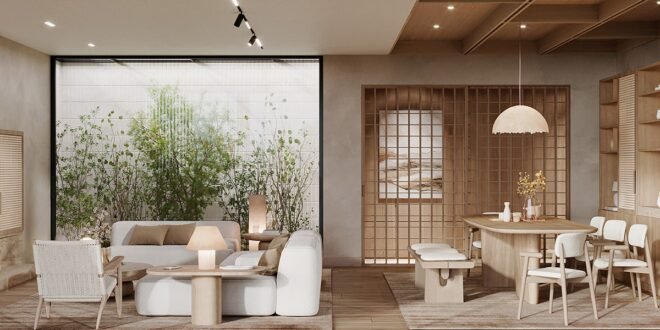
In recent years, Japandi interior design has become one of the most loved home design trends across the world. It combines the calm elegance of Japanese interiors with the cozy simplicity of Scandinavian design. The result is a style that feels peaceful, warm, and beautifully minimal without being cold or boring.
Japandi interior design is not about following strict rules or filling your home with expensive furniture. Instead, it focuses on intentional living, natural materials, and thoughtful spaces that feel both functional and comforting. If you love clean lines but also want warmth and character in your home, Japandi may be the perfect fit.
This article will walk you through what Japandi interior design is, its key elements, colors, furniture choices, and how you can apply it in your own home.
What Is Japandi Interior Design?
Japandi interior design is a fusion of Japanese minimalism and Scandinavian functionality. Both styles value simplicity, craftsmanship, and a connection to nature, which makes them blend naturally together.
From Japanese design, Japandi takes:
- Clean lines
- Minimal clutter
- A sense of calm and balance
From Scandinavian design, it borrows:
- Warm textures
- Cozy and livable spaces
- Practical and functional furniture
Together, they create interiors that feel calm but welcoming, minimal yet comfortable. Japandi interior design focuses on quality over quantity, making every item in the room feel intentional.
Core Principles of Japandi Interior Design
At the heart of Japandi interior design are a few simple principles that guide every design choice. These principles help create spaces that feel peaceful and timeless.
Key principles include:
- Minimalism with warmth, not emptiness
- Functionality first, beauty second
- Natural materials and organic textures
- Neutral and earthy color palettes
- Clutter-free spaces that promote calm
Japandi interior design avoids trends that fade quickly. Instead, it embraces designs that age gracefully and feel meaningful over time.
Colors and Materials Used in Japandi Spaces
Color plays a major role in Japandi interior design. The palette is soft, earthy, and calming, helping to create a peaceful atmosphere throughout the home.
Common Japandi colors include:
- Warm whites and soft creams
- Beige, taupe, and light gray
- Muted browns and soft wood tones
- Occasional black or charcoal accents
When it comes to materials, Japandi interior design relies heavily on nature:
- Solid wood (oak, ash, walnut)
- Bamboo and rattan
- Linen, cotton, and wool fabrics
- Stone, clay, and ceramic finishes
These materials add texture and depth while keeping the space grounded and natural.
Furniture and Layout in Japandi Interior Design
Furniture in Japandi interior design is simple, low-profile, and functional. Each piece serves a purpose and avoids unnecessary decoration.
Typical furniture features:
- Clean lines and soft curves
- Low seating inspired by Japanese interiors
- Solid wood construction
- Neutral upholstery
Layout is equally important. Japandi interior design favors open, breathable spaces with room to move and think. Furniture is arranged to create balance, not overcrowding.
Helpful layout tips:
- Leave negative space between furniture
- Choose fewer, high-quality pieces
- Avoid bulky or oversized items
This approach makes rooms feel calm, organized, and visually pleasing.
Decor, Lighting, and Textures
Decor in Japandi interior design is minimal but meaningful. Instead of filling shelves and walls, the focus is on a few carefully chosen pieces.
Popular decor elements include:
- Handmade ceramics
- Simple vases with natural branches
- Subtle artwork or calligraphy
- Woven baskets and neutral rugs
Lighting is soft and natural whenever possible. Large windows, sheer curtains, and warm artificial lighting help maintain a cozy atmosphere.
Texture is key to keeping Japandi interiors from feeling flat:
- Mix smooth wood with rough stone
- Pair soft fabrics with solid surfaces
- Use layered textiles in neutral tones
These subtle contrasts add warmth and interest without overwhelming the space.
How to Create a Japandi Interior Design at Home
You don’t need to redesign your entire home to embrace Japandi interior design. Small, intentional changes can make a big difference.
Simple steps to get started:
- Declutter and remove unnecessary items
- Choose neutral colors for walls and furniture
- Invest in quality, timeless pieces
- Add natural materials and textures
- Keep decor minimal and purposeful
Japandi interior design is as much about mindset as it is about style. It encourages slower living, appreciation for craftsmanship, and creating spaces that support well-being.
Why Japandi Interior Design Is So Popular
The popularity of Japandi interior design comes from its ability to meet modern needs. People today want homes that feel calm, functional, and comforting — especially in a fast-paced world.
Reasons people love Japandi interior design:
- It reduces visual stress
- It feels warm yet uncluttered
- It works in small and large spaces
- It blends beauty with practicality
Japandi is not a passing trend. Its focus on simplicity, quality, and balance makes it a timeless approach to interior design.
Conclusion
Japandi interior design is more than just a beautiful trend—it’s a thoughtful way of creating a home that feels calm, warm, and purposeful. By blending Japanese minimalism with Scandinavian comfort, this style offers the perfect balance between simplicity and coziness. It encourages intentional choices, natural materials, and clutter-free spaces that support both function and well-being.
Whether you apply Japandi interior design through soft colors, quality furniture, natural textures, or mindful decor, even small changes can transform how your home feels. As modern life becomes more fast-paced, Japandi reminds us to slow down, live with intention, and surround ourselves with spaces that bring peace and comfort. This timeless design approach proves that true beauty lies in simplicity, balance, and meaningful living.