 Gothic Home Decor
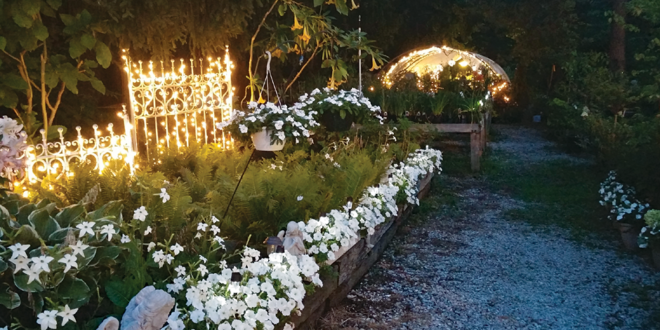
As the sun goes down and the world softens into twilight, a quiet transformation begins in many gardens. While most flowers fold into sleep, night blooming flowers quietly wake up, opening their petals under the moon and stars. These nocturnal blooms are designed to shine in low light, using pale colors and strong fragrances to draw in moths, bats, and other night‑time visitors. Understanding night blooming flowers opens a whole new layer of gardening, turning an ordinary backyard into a slow‑moving evening show of scent and color.
Why Night Blooming Flowers Open After Dark
Nature has shaped night blooming flowers to thrive in cooler, dewier evening conditions. The intense heat and drying sun of the day would cause many of these blooms to wilt or fade quickly, so evolution shifted their rhythm to the night. Opening after sunset also lines up their peak fragrance with the activity of nocturnal pollinators such as moths and bats. Because many of these animals rely on scent over sharp vision, night blooming flowers emphasize perfume rather than bright color. This is a key reason these flowers feel so intoxicating when you step outside just as dusk falls.
Popular Types of Night Blooming Flowers
One of the best‑known night blooming flowers is the moonflower (Ipomoea alba), a fast‑climbing vine with large, trumpet‑shaped white blooms that unfurl around sunset. Another favorite is the queen of the night (Selenicereus grandiflorus), a cactus that produces enormous white flowers that last just one night every year. Night‑blooming jasmine (Cestrum nocturnum) is a shrubby plant covered in small, tubular greenish‑white flowers whose scent can drift across an entire yard at night. Evening primrose and night phlox are herbaceous plants whose tidy clusters also qualify as night blooming flowers, offering a softer, more subtle glow among ground covers and borders.
How Night Blooming Flowers Use Color and Scent
Because moonlight and starlight are much weaker than sunlight, night blooming flowers rely heavily on high‑contrast colors. Most are white, pale yellow, or cream, making them stand out against dark foliage. A few even carry light pink or pastel lavender hints that still reflect available light without relying on bright pigments. Beyond color, their fragrant nectar carries far in still evening air, guiding moths and night‑flying beetles straight to the blooms. A garden rich in night blooming flowers can smell entirely different at 9 p.m. than it does at noon, with waves of sweet, honeyed, or jasmine‑like perfume replacing daytime freshness.
Typical Growing Conditions for Night Blooming Flowers
Most night flowers enjoy warm days followed by cooler nights, a pattern that helps trigger their opening mechanism. They usually need a spot with plenty of daylight so the plant can store enough energy to bloom later. Many species, like moonflower and night‑blooming jasmine, prefer well‑draining, moderately fertile soils and benefit from occasional feeding once the season starts. A few, such as evening primrose, adapt happily to drier, leaner sites and can even self‑seed in cracks and borders. When you understand the natural rhythm of night blooming flowers, matching them with your local light and temperature patterns becomes straightforward and rewarding.
How Light and Temperature Affect Blooming
The exact timing of each bloom depends on how light levels and temperature shift around sunset. Some night blooming flowers open only when light intensity drops below a certain threshold, which is why different plants may start unfurling minutes apart. Cooler air temperatures at night also slow down water loss from petals, helping fragile blooms like the queen of the night cactus last longer. Gardeners often find that plants kept in hot, enclosed areas in the evening may open later or incompletely, underscoring how deeply sensitive these flowers are to environment. Making small adjustments in placement can greatly improve how reliably night blooming flowers deliver their nightly show.
Caring for Night Blooming Flowers
Like any plants, night blooming flowers perform best when their basic needs are met. Regular but modest watering keeps the root zone moist without waterlogging the soil, which is crucial for climbers and cacti alike. Applying a light, balanced fertilizer every few weeks during active growth encourages more buds and stronger vines. Pruning and training matter especially for fast‑growing creepers that can quickly shade themselves if left unchecked. For containers, switching out or refreshing the potting mix annually helps keep night blooming flowers vigorous and flowering rather than leggy or stressed.
Bringing Night Blooming Flowers into Pots and Containers
One of the easiest ways to enjoy night blooming flowers is by growing them in pots near patios, balconies, or terraces. Moonflower vines climb trellises or simple stakes, turning a balcony rail into an evening‑bloom curtain. Small varieties of evening primrose and night phlox do very well in shallow, well‑drained containers where their night‑opening flowers are close enough to enjoy. Potted night blooming flowers also allow you to move plants to areas of stronger moonlight or away from strong winds that might scatter their perfume. In apartment settings, they give city dwellers a private slice of moon‑garden magic without needing land or a full yard.
Night Blooming Flowers and Night‑Time Pollinators
Behind every fragrant bloom is an ecosystem of nocturnal helpers that depend on these night blooming flowers. Moths, in particular, range from tiny little browns to spectacular hawk moths drawn from hundreds of feet away by concentrated scent. Some bats visit bigger tubular flowers in tropical or subtropical regions, using echoes and smell to find blossoms night after night. Even beetles and certain night‑active bees are attracted to certain night blooming flowers, especially those with sturdier petals and strong nectar wells. Choosing species friendly to these pollinators means your garden doesn’t just look beautiful—it actively supports nighttime wildlife.
Designing a Moon Garden with Night Blooming Flowers
The concept of a moon garden builds around a central idea: visibility, scent, and atmosphere at night. Placing night blooming flowers near seating areas, walkways, or around windows lets you experience their fragrance up close. White‑ and cream‑flowered species stand out strongly against darker ground covers or mulch, giving the space a soft, almost luminescent effect under outdoor lighting or moon glow. You can accent them with silver‑ or gray‑toned foliage plants to amplify the contrast and highlight the blooms. A small, focused corner of night blooming flowers can become the emotional heart of an evening garden, the spot where guests instinctively slow down, breathe deeply, and stop to look around.
Managing Pests and Problems with Night Blooming Flowers
Although night blooming flowers are often robust, they can still face challenges such as aphids, spider mites, or fungal spots in humid conditions. Keeping them in airy spots with good circulation greatly reduces the risk of leaf diseases that thrive in still, damp air. Checking plants regularly in the early evening helps you catch problems early, before they spread through stems or buds. For stronger pests like scale insects, gentle treatments that avoid harsh chemicals protect not only the plants but also the moths and other nocturnal visitors these night blooming flowers are designed to attract.
Seasonal Care and Long‑Term Enjoyment
In cooler regions, many night blooming flowers are treated as annuals or given winter protection when possible. Tuberous or corm‑based species like some evening‑blooming gladiolus types should be lifted before frost, stored cool and dry, and replanted the next year. Warm‑climate gardeners can often grow night‑blooming jasmine, moonflower, or queen‑of‑the‑night cacti outdoors year‑round with light winter mulch or greenhouse help. Over time, studying how night blooming flowers respond to rain, summer heat, and early autumn chills allows you to refine their placement and boosting their performance each year.
The Emotional Appeal of Night Blooming Flowers
Beyond their biological role, night blooming flowers touch us on a quieter, almost contemplative level. Watching a giant cactus flower slowly open under the stars or smelling jasmine drift in from a nearby shrub in the still of night is a deeply soothing experience. These blooms invite the gardener to slow down, to linger outdoors later, and to notice subtleties of scent, temperature, and light that often go unnoticed during the day. With each season, a collection of carefully chosen night blooming flowers becomes less of a display and more of a personal evening ritual—a nightly play of color, perfume, and quiet life unfolding around you.
By learning which species suit your climate and how they react to light and moisture, you can shape a garden where every dusk feels like an event worth waiting for. Night blooming flowers are nature’s gentle reminder that the garden never truly sleeps; it merely changes outfits when the sun goes down, trading bright hours for a slower, fragrant performance that belongs to the night.