 Gothic Home Decor
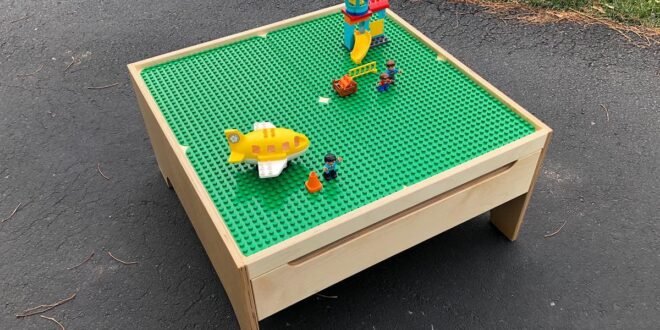
What Is a Lego Table?
A lego table is a child‑sized table with a building surface designed to fit standard LEGO or DUPLO bricks. Many models feature integrated baseplates, so kids can snap bricks directly onto the tabletop and build without everything sliding around.
Most lego table designs also include storage solutions such as bins, drawers, or under‑table compartments to keep bricks sorted and easy to reach. This combination of flat workspace and built‑in organization is what makes a lego table different from a regular play table.
Why Every Playroom Needs a Lego Table
A lego table creates a dedicated zone for building, which helps kids focus and play for longer stretches without distractions. Having a permanent setup also means projects don’t have to be torn down at the end of the day, so big builds can evolve over days or weeks.
Parents appreciate that a lego table dramatically cuts down on clutter and painful “stepping on bricks” moments because pieces are contained in one area. Over time, this designated space becomes a familiar, inviting spot where children naturally go when they want to create and relax.
Learning Benefits of Lego Table Play
Using a lego table regularly supports fine motor skills, as children practice gripping, pushing, and aligning small pieces at a comfortable height. The flat, stable surface makes it easier for them to build taller and more complex structures without constant collapse, which encourages persistence.
A lego table also promotes early engineering and spatial reasoning as kids learn about balance, symmetry, and stability in their builds. When siblings or friends gather around the same lego table, they naturally practice communication, turn‑taking, and problem‑solving together.
Key Features to Look For
When you choose a lego table, start with durability; solid wood or high‑quality plastic construction will withstand years of everyday play. A sturdy frame and secure legs are essential so the table doesn’t wobble when kids lean on it or build tall towers.
Storage is another critical feature of a lego table, and good options include deep bins, side compartments, or drawers that slide out smoothly. Look for integrated baseplates that are compatible with LEGO and, if needed, DUPLO bricks so your child can use existing collections without frustration.
Types of Lego Tables for Different Ages
For toddlers, a lego table with larger DUPLO‑compatible studs, rounded corners, and a lower height is safer and easier to use. These early‑years tables often feature bright colors and simple storage bins that encourage quick clean‑up routines.
For older children, a taller table with a larger building surface and more sophisticated storage (like sorted drawers or stackable bins) works better. Some families even choose convertible models that switch between a smooth play table and a lego table by flipping or removing a top panel.
Storage and Organization Ideas
A lego table is most effective when storage is planned thoughtfully, with bins or drawers grouped by color, size, or type of brick. Clear containers or open bins allow kids to see pieces at a glance, making building sessions smoother and less frustrating.
You can label sections inside or underneath the table so children know exactly where each type of brick belongs when they tidy up. Over time, this consistent system helps them learn responsibility and organization, turning clean‑up into a simple, repeatable habit.
Safety and Ergonomics
A well‑designed lego matches your child’s height so they can sit or stand comfortably without hunching over. Choosing rounded edges and smooth finishes reduces bumps or scrapes during energetic play.
Check that the table’s materials are non‑toxic and easy to wipe clean, especially if it will be used daily. For very young builders, ensure all storage compartments are easy to open without pinching fingers, and avoid tall, top‑heavy designs that could tip.
Ready‑Made Lego Table vs DIY
Buying a ready‑made lego table gives you a tested, sturdy solution that’s quick to assemble and use, with features refined by manufacturers over time. Many commercial options include deep storage bins and high‑quality baseplates that align perfectly and stay in place.
A DIY lego table lets you customize size, color, and storage exactly to your space, often by modifying an existing coffee table or kids’ desk. By adding your own baseplates and bins, you can create a unique table that fits a specific nook, shared bedroom, or homeschooling area.
How to Choose the Right Lego Table for Your Home
Start by measuring the intended space so you know how large your lego table can be without blocking walkways or doors. Consider how many children will use it at once; siblings who play together will need a wider surface and seating on more than one side.
Think about your child’s current interests and future growth; a lego table that works today should still feel useful as their building skills advance. If your home is compact, prioritize multi‑use designs where the lego can double as a craft or homework station by adding a smooth cover.
Making Lego Table Time Special
Setting simple rituals around your table can turn it into the heart of your playroom, such as a weekly “family build night.” Working together on shared projects, like towns, castles, or space stations, strengthens bonds and gives everyone a sense of shared achievement.
You can also rotate themes or challenges at the table—one week focusing on vehicles, another on animals or patterns—to keep creativity fresh. Displaying finished builds on a nearby shelf for a few days shows kids their work is valued and motivates them to keep experimenting at the lego.
Conclusion
A lego table is much more than a piece of kids’ furniture; it becomes a consistent, inspiring space where imagination, focus, and learning can grow naturally every day. By giving your child a dedicated surface with thoughtful storage and safe ergonomics, you’re not just reducing clutter—you’re also supporting their motor skills, creativity, and problem‑solving abilities in a subtle but powerful way.
Thinking long‑term, a well‑chosen lego table can evolve with your child’s interests, from simple DUPLO builds to complex LEGO projects and even shared family‑building sessions that create real bonding moments. Whether you buy a ready‑made model or build a customized table yourself, the real reward is seeing how that one table becomes the go‑to spot for play, discovery, and genuine, undistracted creativity in your home.