 Gothic Home Decor
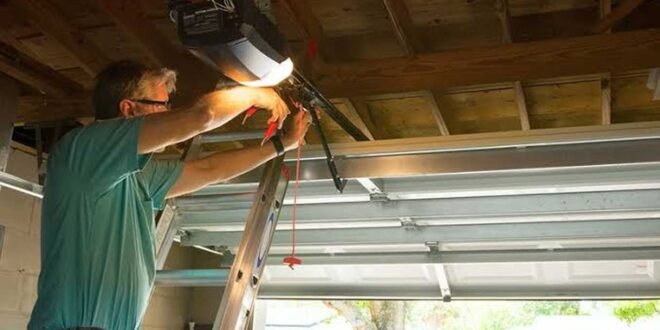
A successful Garage Door Installation starts long before the first tool is used. Good planning helps you choose the right door, avoid costly mistakes, and create a safer, more attractive home. Whether you plan to install the door yourself or hire a professional, understanding each step makes the project easier. This guide explains everything in B1 English, so you can confidently prepare for a smooth installation from start to finish.
What to Know Before Starting a Garage Door Installation Project
Planning is the most important part of any Garage Door Installation. A garage door is one of the largest moving parts of a home, so every detail matters. Before buying a door, think about your budget, the purpose of the garage, and the local weather. These factors help you choose a door that fits your needs and lasts for many years.
You should also inspect the garage before starting. Look for damaged walls, uneven floors, or weak framing around the opening. Check that there is enough space above and beside the opening for the tracks and springs. Taking time to inspect these areas reduces the chance of problems during the installation process.
How to Measure Your Garage and Choose the Right Door Size
Correct measurements are essential for a successful Garage Door Installation. Even a small measuring mistake can lead to gaps, poor door movement, or expensive adjustments. Measure carefully before ordering a new garage door, and always check the manufacturer’s size recommendations.
Start by measuring the width and height of the garage opening. Then measure the headroom, which is the space between the top of the opening and the ceiling. You also need to measure the side room on both sides and the backroom, which is the distance from the opening to the back wall of the garage.
Choosing the Best Garage Door Material, Style, and Insulation
Choosing the right material affects the performance and appearance of your Garage Door Installation. Every material has different strengths, maintenance needs, and prices. Your local climate and budget should guide your decision.
Steel is the most popular choice because it is strong, affordable, and easy to maintain. It works well for most homes and is available in many colors and finishes. However, steel can dent if hit by heavy objects, so homeowners should inspect it regularly for damage.
Wood offers a classic and elegant appearance that suits traditional homes. It can increase curb appeal, but it requires regular painting or staining to protect it from moisture and sunlight. Without proper care, wood may crack or warp over time.
Tools, Hardware, and Safety Equipment You Need Before Installation
Preparing your tools before beginning Garage Door Installation helps the project move smoothly. Having everything ready saves time and reduces interruptions. Always read the manufacturer’s instructions to confirm you have the correct equipment for your specific door model.
Basic tools usually include a power drill, socket wrench, adjustable wrench, hammer, screwdrivers, locking pliers, measuring tape, level, and a sturdy stepladder. Some installations may also require an impact driver or rubber mallet for easier assembly.
The hardware package normally contains door panels, tracks, rollers, hinges, cables, springs, brackets, bolts, and weather seals. Before installation, check that every part is included and free from damage. Missing hardware can delay the project and affect the door’s performance.
Step-by-Step Garage Door Installation Process from Start to Finish
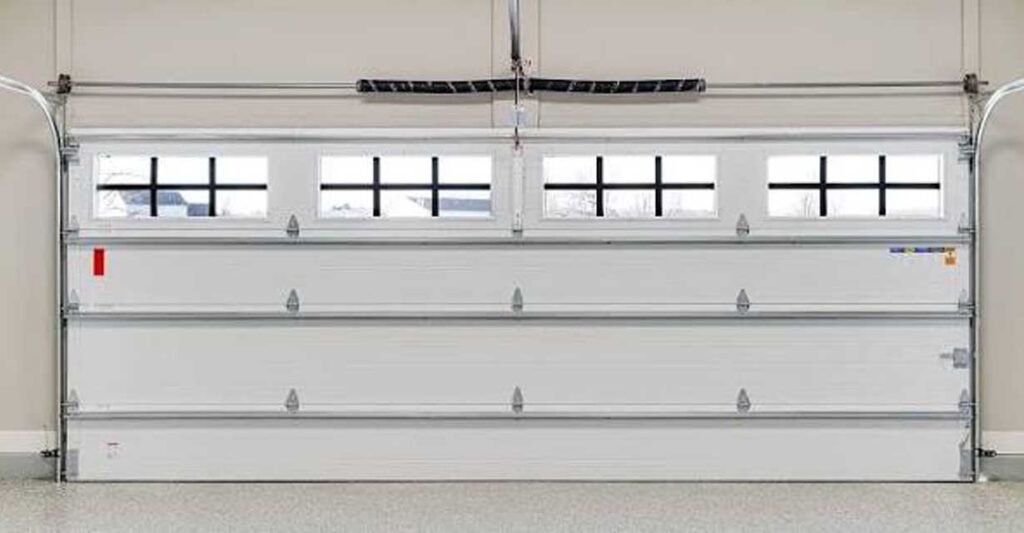
Every successful Garage Door Installation follows a clear sequence of steps. Skipping or changing the order can lead to alignment problems, poor performance, or safety risks. Careful planning and patience help ensure each part is installed correctly.
The process usually begins by removing the old garage door and cleaning the opening. Next, install the bottom panel, attach the hinges and rollers, and secure the vertical tracks. Additional panels are added one at a time until the full door is assembled and properly aligned.
Common Garage Door Installation Mistakes and How to Avoid Them
Even a well-planned Garage Door Installation can go wrong if small details are ignored. One of the most common mistakes is taking incorrect measurements. A door that is too large or too small will not fit properly and may create gaps that let in water, dust, and cold air.
Another mistake is installing the tracks out of alignment. Crooked tracks make the door move unevenly and can wear out the rollers faster. Always use a level during installation and tighten all hardware only after checking that every part is correctly positioned.
DIY Garage Door Installation vs. Hiring a Professional Installer
Many homeowners wonder if they should complete Garage Door Installation themselves or hire an expert. The answer depends on your experience, available tools, and confidence in handling heavy equipment. A simple project may be suitable for skilled DIY users, but not every installation is the same.
A DIY installation can reduce labor costs and give you valuable home improvement experience. However, it also requires careful planning, physical effort, and a full understanding of the installation process. Mistakes may lead to additional repair costs or even personal injury.
In Short
After completing your Garage Door Installation, regular maintenance helps keep the system working smoothly for many years. A few simple checks every month can prevent expensive repairs and improve safety for everyone in the home.
Inspect the rollers, hinges, cables, and tracks for signs of wear or damage. Clean dirt from the tracks and apply a garage door lubricant to moving parts every few months. Proper lubrication reduces noise and helps the door move more smoothly.
Must Read: gothichomedecor.com
FAQs
How long does a garage door installation usually take?
Most professional installations take 3 to 6 hours, while DIY projects may take one or two days depending on experience.
Can I install a garage door by myself?
Yes, but only if you have the right tools and skills. Installing springs and heavy panels can be dangerous for beginners.
What is the best material for a garage door?
Steel is the most popular choice because it is durable, affordable, and requires little maintenance.
How often should I maintain my garage door?
Inspect the system monthly and lubricate moving parts every 3 to 6 months for optimal performance.
Is an insulated garage door worth buying?
Yes. Insulated doors improve energy efficiency, reduce outside noise, and help keep the garage comfortable year-round.