 Gothic Home Decor
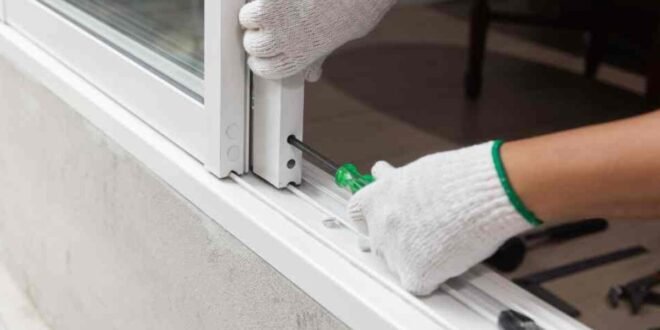
Most homeowners polish the glass and ignore the hidden parts, but how to clean window tracks is just as important as wiping the panes themselves. Over time, window tracks collect layers of dust, dirt, dead insects, moisture, and even small debris like leaves or gravel. When left untreated, these build‑ups slow down opening and closing, invite mold, and quietly hurt indoor air quality. Learning how to clean window tracks the right way gives you smoother‑sliding windows, fewer pests indoors, and a cleaner‑looking space overall.
Why Cleaning Window Tracks Matters
Window tracks are the horizontal rails where sliding or double‑hung windows move. These narrow grooves are ideal traps for dust and crumbs that drift in from outdoor vents, footwear, or construction nearby. A neglected track can affect the window’s seal and insulation, letting in drafts or reducing energy efficiency in your home. Regular window track cleaning also prevents moisture pockets where mold and mildew can develop, especially in humid climates or rainy seasons. For families with allergies or asthma, keeping tracks clean is a small but meaningful part of managing indoor air quality.
Tools You Need for How to Clean Window Tracks
Before you start trying how to clean window tracks, gather a few easy‑to‑find tools.
A vacuum with crevice attachment removes loose dust, hair, and debris quickly. If you don’t have a vacuum, a stiff‑bristle brush or an old toothbrush works well for narrow sections. You’ll also want warm water, a bit of mild dish soap, and a couple of microfiber cloths. For tougher stains or sticky grime, a simple homemade solution of equal parts white vinegar and water helps dissolve buildup without harsh chemicals. Rubber gloves protect your hands, and a cup or small bowl of clean water helps you rinse cloths as you go. Having these ready makes how to clean window tracks feel less like a chore and more like a routine maintenance task.
Step One: Empty Loose Debris
The first real step in how to clean window tracks is to clear out loose material. Open the window as wide as safety allows so you can access the bottom rail and side channels. Run a vacuum crevice tool along the entire length of each track to suck out dust, hair, and tiny pebbles. If you don’t have a vacuum, use a brush or a long‑handled paintbrush to sweep dirt into a dustpan. Take your time here; completely removing loose debris before you add water or cleaner keeps mud from forming and scratching the track’s surface. This step alone can already improve how smoothly the window moves, even before any deep cleaning.
Step Two: Apply a Gentle Cleaning Solution
After the primary sweep, work on the actual track cleaning solution. Fill a bowl with warm water and a few drops of dish soap; you want it sudsy but not overly so, since excess foam can seep into walls and frames. Dip a cloth or sponge into the solution and wipe the visible top surface of the track first. Then, for the grooves where slides and rollers sit, switch to an old toothbrush or small round brush soaked in the same soapy water. Gently scrub the inner channels, going from one end of the track to the other. For stubborn spots or sticky residue near the edges of movable panels, a vinegar and water mix loosens grunge without harming most metal or PVC frames. This is part of the core process how to clean window tracks correctly: soak, soften, and scrub, not scrub dry.
Step Three: Scrub Corners and Hard‑Reaching Areas
Even after the main scrubbing, dust often clings to corners, ridges, and the small ridges where rollers sit. These nooks either catch grit, making sliding rough, or harbor mildew in rainy climates. Return with a dry toothbrush or a narrow‑tip brush and go over the same path once more, focusing on any area that feels gritty under your finger. If you spot small black dots or fuzzy patches, this could be mild mold or mildew, especially in older frames. For this, rewet the brush with the vinegar‑water mix and scrub firmly again, then flush the area with a damp cloth. Removing these pockets completes the window track deep‑clean and especially pays off if you’re in a high‑humidity zone.
Step Four: Rinse and Dry Thoroughly
Once you’ve finished scrubbing, rinse residue away without flooding the wall or sill. Use a second container of plain water and a clean cloth or sponge to wipe down the track. Dip the cloth often so it removes soap instead of just spreading it around. After the foam and loosened dirt are gone, switch to dry microfiber cloths and wipe the entire track dry, including the up‑and‑down grooves. It’s best to leave the window open for an hour or two so any remaining moisture can evaporate, especially in colder months. Thorough drying is a key piece of how to clean window tracks because leftover dampness encourages rust, corrosion, or mold.
Step Five: Check and Maintain Seal Points
While the tracks are freshly cleaned, this is a good time to inspect seals, rollers, and weather stripping. Look where the sliding pane sits: if the material feels brittle, cracked, or starts pulling away from the track, it may need replacement before winter or before the next monsoon season. If any rollers feel stiff or uneven, a quick spray of silicone‑based window lubricant on the metal or plastic wheels restores smooth movement. Avoid using oil‑based sprays that can attract more dust. Checking these details each time you perform window track maintenance helps you catch small issues before they turn into expensive repairs.
How Often Should You Clean Window Tracks?
Frequency depends on your environment, but most homes benefit from cleaning window tracks every 3 to 6 months. If you live near busy roads, construction sites, or in a dusty, windy area, every 2–3 months is safer. Homes with larger sliding doors or many windows may notice build‑up even sooner if the units are used daily. Even if the track looks “fine,” weekly dusting with a dry cloth and a quick quarterly deep clean usually keeps the how to clean window tracks routine simple and effective. Seasonal spring or post‑monsoon cleaning fits naturally into standard home‑maintenance calendars and pairs well with other tasks like gutter cleaning or exterior‑window washing.
How to Clean Different Types of Window Tracks
Knowing how to clean window tracks gets slightly trickier when you factor in different materials and designs. Metal tracks on aluminum windows can handle stronger scrubbing but can rust if moisture stays trapped; dry them carefully after each wash. PVC or vinyl tracks respond well to soapy water and vinegar mixtures but dislike harsh chemicals or abrasive powders that can leave scratches. Wooden‑frame window tracks demand gentler handling: use less liquid, a softer cloth, and never leave standing water. For sliding glass doors with wide tracks, the process is similar, but you may need to lift or remove panels slightly for full access—always follow the manufacturer’s guidelines when doing so. Adjusting your approach for each type is a central part of how to clean window tracks professionally rather than makeshift.
Prevent Future Build‑Up and Pest Entry
After you’ve mastered how to clean window tracks once, the smart next step is building habits that prevent re‑buildup. Close windows and screens when dust storms, strong winds, or construction work are likely. Place shallow trays or mats below windows to catch falling debris kicked up by doors opening nearby. If you notice ants or tiny insects using tracks as pathways, an occasional wipe with diluted vinegar discourages them without heavy pesticides. Simple practices like running a dry cloth over tracks once a week and vacuuming them monthly greatly extend the time between deep‑clean sessions. This is where how to clean window tracks becomes part of a larger, easy home‑care rhythm.
When to Call a Professional for Window Track Cleaning
Most of the time, how to clean window tracks is a straightforward DIY job. However, there are signs it’s better to call a professional. If you see corrosion, warped frames, or broken rollers, a technician can inspect for structural damage. Persistent mold smell even after scrubbing, or black mold close to indoor walls, may require special products and safety gear beyond a casual home clean. Homeowners who are elderly, have mobility issues, or who deal with high‑rise apartments with many large sliding panels may also prefer to hire a specialist. In such cases, “learning how to clean window tracks” still helps because you’ll know what to expect and how to direct professionals properly.
Turn How to Clean Window Tracks into an Easy Habit
Over time, regularly cleaning window tracks becomes less intimidating and more routine. Plug in the vacuum, soak your brushes, and tackle two or three windows at a time instead of trying to finish a whole house in one go. Pairing window track cleaning with other tasks like dusting blinds or organizing window‑seat areas keeps you moving efficiently. When you understand how to clean window tracks properly, you’re not just removing dirt—you’re improving airflow, sealing drafts, and adding years to the life of your windows. The result is a home that feels cleaner, works better, and looks more inviting from the inside out.