 Gothic Home Decor
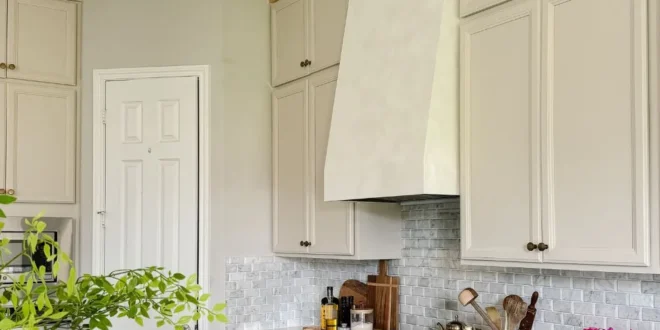
Painting kitchen cabinets stands out as one of the most impactful ways to refresh your kitchen without a full remodel. How to paint kitchen cabinets properly can breathe new life into dated oak, laminate, or even metal fronts, saving thousands compared to replacement. This step-by-step guide walks you through the process with practical tips honed from real projects, ensuring durable, professional results right at home.
Gather Your Supplies First
Stock up before starting to avoid mid-project store runs. You’ll need degreaser like TSP substitute, 120-220 grit sandpaper, bonding primer, cabinet paint in satin or semi-gloss, quality brushes, foam rollers, painter’s tape, drop cloths, and screwdrivers for hardware removal. For oak cabinets, grab grain filler too.
Budget $200-400 for a standard kitchen, depending on size. Angled synthetic brushes cut brush marks, while 4-inch foam rollers speed flat surfaces. Number bags for screws and label doors to simplify reassembly.
Remove Doors and Hardware
How to paint kitchen cabinets begins with disassembly—take off doors, drawers, and all knobs or pulls. Lay a towel down to catch screws, then bag hardware by door with masking tape labels like “Door 3, Left Hinge.” This prevents mix-ups later.
Store doors flat on sawhorses or a workbench outdoors or in a garage for better airflow. For lazy Susans or fixed shelves, tape off edges tightly. Pros swear by this step; skipping it leads to drips and uneven coats.
Clean Thoroughly for Adhesion
Grease from years of cooking sabotages paint jobs, so scrub every surface with a degreaser mixed in warm water using Scotch-Brite pads. Rinse well and let dry completely—tacky residue ruins primer grip.
For stubborn spots around handles, soak with the solution first. Wear gloves and ventilate; TSP alternatives work safely indoors. This crucial prep in how to paint kitchen cabinets ensures paint bonds like it should, lasting 5-10 years.
Sand for a Proper Base
Light sanding dulls glossy finishes and opens wood grain. Use 120-grit on raw wood or laminate, progressing to 220-grit for smoothness. Sand with the grain, folding paper for corners and profiled edges—don’t round them off.
Vacuum dust thoroughly, then wipe with tack cloth or damp microfiber. Laminate needs just a scuff; over-sanding damages it. This step in how to paint kitchen cabinets creates the “tooth” for primer to grab.
Fill Dings and Gaps
Oak shows grain through paint, so mix wood filler or grain filler, apply with a putty knife, and overfill slightly. Once dry, sand flush smooth. Prime-filled spots first to seal tannins that bleed yellow.
Caulk gaps where cabinets meet walls for crisp lines later. These fixes make how to paint kitchen cabinets yield flawless, factory-fresh results.
Prime Like a Pro
Apply bonding primer with a brush for crevices, rolling flats immediately after. Work top to bottom, feathering edges into wet primer to avoid lap marks. One coat often suffices on wood; two for laminate or grease-heavy spots.
Let cure 24 hours—rushing leads to peeling. Tint primer gray for dark topcoats. Mastering primer in how to paint kitchen cabinets prevents callbacks years out.
Choose the Right Paint
Cabinet paints like Benjamin Moore Advance or Sherwin-Williams Emerald Urethane self-level for silky finishes without spraying. Satin hides fingerprints, semi-gloss cleans easiest in kitchens. Sample first; whites yellow over time near windows.
Stir thoroughly, never shake to avoid bubbles. Two coats minimum, with 4-6 hours dry time between. How to paint kitchen cabinets hinges on quality paint for wipeable, durable beauty.
Paint Cabinet Boxes First
Start with fixed frames: brush edges and corners, roll panels, then “lay off” with a dry roller for even sheen. Inside surfaces get paint too for consistency if visible.
Multiple thin coats beat one thick—sand lightly 220-grit between for glass-smoothness. Patience here in how to paint kitchen cabinets pays off big.
Tackle Doors and Drawers
Prop doors on painters’ pyramids to paint edges easily. Brush details first—”cut in” around panels—then roll out. Flip after drying; backsides first avoids drips on show faces.
Label orientations to hang right. Dry 48 hours per side before hardware reinstall. This sequence nails how to paint kitchen cabinets every time.
Perfect Your Technique
Use even strokes, finishing back into wet paint. Roll in a W pattern on flats, avoiding pressure that pulls bubbles. Clean tools in between coats; wrap in plastic for breaks.
Humidity slows drying—paint below 80°F and 50% humidity. Thin coats dry faster, sand smoother.
Add Protective Topcoat
For extra durability, brush on polycrylic or water-based poly after paint cures a week. Light sanding between coats seals grease resistance.
Skip if using cabinet-specific paints; they harden alone. This elevates how to paint kitchen cabinets to pro longevity.
Reinstall and Detail
Hang doors per labels, adjusting hinges for even gaps. Upgrade hardware—matte black pulls modernize oak instantly. Add shelf liner for grip, under-cabinet LEDs for function.
Caulk paint lines, touch up nicks. Step back—your kitchen glows anew.
Handle Laminate Challenges
Thermoset laminate laughs at regular paint, so degloss aggressively and use BIN shellac or TSP primer. Test a door first; some refuse adhesion.
Alternatives like contact paper work short-term, but proper prep succeeds. Tailored how to paint kitchen cabinets tips for tricky materials.
Oak Cabinet Specifics
Open grain telegraphs unless filled—apply filler before primer, sand level. Use tinted primer to block yellowing.
Distressed looks embrace texture; smooth needs multiple sands. How to paint kitchen cabinets from 90s oak shines with these hacks.
Budget Tips and Timelines
DIY saves $5,000+ vs. pros. Spread over weekends: Prep Day 1, prime Day 2-3, paint Day 4-7, reassemble Day 8.
Rent sprayers for speed if brushing fatigues. Total time 20-40 hours for average kitchens.
Common Pitfalls to Avoid
Rushing dry times peels paint. Over-brushing creates marks—practice on scrap. No cleanup mid-job clogs rollers.
Ventilate fumes; mask for safety. Dodging these keeps how to paint kitchen cabinets smooth sailing.
Color Trends for 2026
Deep greens, warm taupes, and navy dominate. White stays timeless but pair with wood accents. Sample in your light—cabinets shift tones daily.
Maintenance After Painting
Wipe gently first month; cure fully in 30 days. Use mild soap, no abrasives. Refresh hardware yearly for polish.
Conclusion
Mastering how to paint kitchen cabinets transforms tired kitchens into showplaces with patience and prep. From degreasing to final poly, each step builds lasting beauty. Roll up sleeves this weekend—your dream kitchen awaits.