 Gothic Home Decor
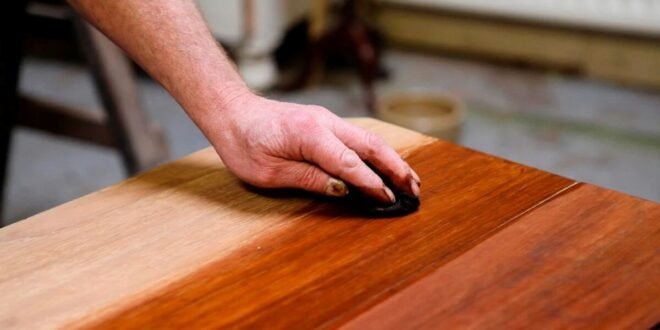
Learning how to polish wood furniture properly can breathe new life into your favorite pieces, making them gleam like they just arrived from the showroom. Whether it’s a cherished dining table or an antique dresser, regular polishing protects the wood and highlights its natural beauty.
Why Polish Wood Furniture Regularly
Polishing wood furniture isn’t just about aesthetics—it’s essential maintenance that wards off dryness and scratches. Over time, exposure to sunlight, humidity, and daily use dulls the surface, but how to polish wood furniture the right way restores moisture and creates a protective barrier.
Frequent polishing prevents cracks and fading, especially in homes with varying climates. Many pieces last decades longer with this simple care routine. Think of it as giving your furniture a drink of water and a shield against wear.
Assessing Your Wood Furniture First
Before diving into how to polish wood furniture, inspect the surface closely. Check for the finish type—varnished, oiled, or waxed—by rubbing a drop of water on an inconspicuous spot. If it beads up, it’s sealed; if it soaks in, it’s unfinished.
Identify damage early: Look for water rings, dents, or sticky residue that might need extra prep. This step ensures your efforts yield the best results without causing harm. Always test products on a hidden area to avoid surprises.
Essential Tools for Polishing Wood Furniture
Gathering the right supplies makes how to polish wood furniture straightforward and efficient. You’ll need soft microfiber cloths, a gentle wood cleaner, high-quality polish, and perhaps fine steel wool for tough spots.
Key must-haves include:
- Lint-free cloths for dust-free application.
- Applicator pads for even spreading.
- Clean, dry buffing cloths to achieve that mirror shine.
Opt for natural-bristle brushes if your furniture has carvings. These tools keep the process smooth and professional.
Cleaning Before You Polish
You can’t skip cleaning when learning how to polish wood furniture—dust and grime trap polish unevenly, leading to streaks. Start with a vacuum using a brush attachment to remove loose particles, then wipe with a damp cloth mixed with mild soap.
Dry immediately to prevent water spots. For stubborn buildup, use a mix of equal parts vinegar and water, but rinse and dry thoroughly. A spotless surface is the foundation for flawless polishing.
Choosing the Best Polish for Your Furniture
Selecting polish is crucial in how to polish wood furniture effectively. Paste waxes suit antique pieces for a matte glow, while liquid polishes work wonders on modern veneers, offering quick shine.
Match to wood type: Use oil-based for oak or teak, silicone-free for delicate antiques. Brands with beeswax or orange oil nourish deeply without buildup. Read labels to ensure compatibility—your choice determines longevity.
Step-by-Step: Applying Polish Evenly
Now for the heart of how to polish wood furniture: application. Dab a small amount of polish onto a soft cloth and rub in the direction of the wood grain, using light circular motions on flat areas.
Work in sections: Cover one table leg or drawer front at a time to maintain control. Let it haze over for 5-10 minutes, then buff with a clean cloth. This technique embeds the polish deeply for enduring protection.
Repeat on intricate details with a brush, feathering edges to blend seamlessly. Patience here pays off in a uniform finish.
Buffing for Professional Shine
Buffing elevates how to polish wood furniture from good to stunning. Fold a dry microfiber cloth and rub vigorously along the grain, generating friction and heat to activate the polish.
Build shine gradually: Start with moderate pressure, increasing as the surface warms. Circular motions help on curves, but stick to straight lines on flats to avoid swirls. Inspect under light—re-buff dull spots until it gleams.
A second cloth for final wipe removes residue, revealing the wood’s true luster.
Handling Special Wood Furniture Types
How to polish wood furniture varies by style. For oiled pieces like teak tables, use pure tung oil sparingly, letting it penetrate overnight before wiping excess.
Antiques demand extra care—opt for #0000 steel wool with wax for satin finishes. Veneered items need light liquid polish to prevent cracking. Tailor your method to revive each type beautifully.
Natural DIY Polish Recipes
Prefer homemade? How to polish wood furniture shines with simple recipes. Mix 1/4 cup olive oil, 1/4 cup vinegar, and 2 cups mineral oil for a nourishing spray.
Lemon-olive blend: Juice one lemon into 1/2 cup olive oil—its acidity cuts grime while oil conditions. Shake well, apply, and buff. These cost-effective options rival store-bought, with fresh scents your home will love.
Test small batches first to ensure they suit your pieces.
Common Mistakes to Avoid
Even experts slip up in how to polish wood furniture. Over-polishing builds residue, dulling the surface—limit to every 3-6 months.
Steer clear of silicone polishes on unsealed wood, as they repel future finishes. Never use sprays on antiques; drips cause rings. Circular rubbing against the grain creates unsightly marks—always follow the flow.
Rushing buffing leaves haze; take time for perfection.
Frequency and Seasonal Tips
Wondering when to revisit how to polish wood furniture? Quarterly for high-traffic items like coffee tables, biannually for shelves. In dry winters, polish monthly to combat cracking.
Summer humidity check: Wipe excess moisture first. Rotate pieces away from direct sun to minimize fading between sessions. Consistency keeps wood furniture thriving year-round.
Reviving Dull or Damaged Spots
Got faded areas? How to polish wood furniture includes spot fixes. Gently sand lightly with 400-grit paper, then layer thin polish coats, blending outward.
For water marks: Dampen with mayonnaise overnight to draw out stains, clean, and polish. Deeper gouges may need filler first. These tricks restore without full refinishing.
Maintaining Polish Between Sessions
Daily habits prolong how to polish wood furniture results. Dust weekly with a soft brush, use coasters religiously, and avoid harsh cleaners.
Quick touch-ups: Feather polish on scuffs with a cloth. Humidifiers in arid rooms prevent drying. Thoughtful care means less frequent deep polishes.
Eco-Friendly Polishing Options
Sustainability matters in how to polish wood furniture. Choose polishes with plant-based waxes like carnauba over petroleum derivatives.
Green swaps: Walnut meat rubbed directly buffs scratches naturally. These methods protect your health and the planet, without sacrificing shine.
Troubleshooting Streaks and Haze
Streaks plague beginners learning how to polish wood furniture. They stem from excess product—use less next time and buff longer.
Fix haze: Wipe with a vinegar-damp cloth, dry, re-polish lightly. Lint from poor cloths causes specks; invest in quality microfiber. Practice yields streak-free mastery.
In wrapping up, mastering how to polish wood furniture transforms routine care into a rewarding ritual that preserves heirlooms and elevates everyday pieces. With these steps, your home radiates warmth and timeless appeal—start today for shine that lasts. Regular effort pays dividends in beauty and durability