 Gothic Home Decor
What Is Japandi Interior Design?
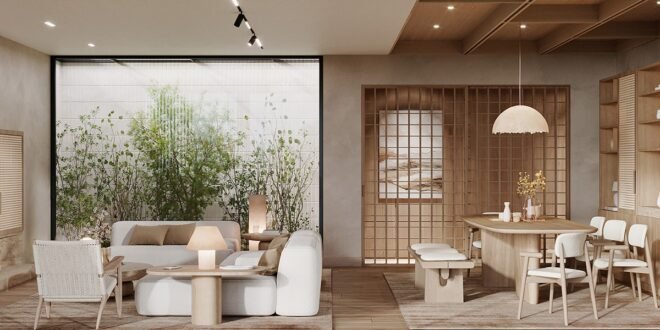
Japandi interior design has taken the home décor world by storm, blending the clean lines of Japanese aesthetics with the warmth of Scandinavian style. It’s not just a trend—it’s a lifestyle that prioritizes calm, functionality, and beauty in simplicity. At its core, Japandi interior design fuses wabi-sabi—the Japanese art of embracing imperfection—with hygge, the Danish love for cozy comfort, resulting in spaces that feel effortlessly balanced and inviting. Imagine walking into a room where every piece serves a purpose, yet it wraps you in gentle tranquility—that’s the magic of Japandi interior design.
Origins of Japandi Interior Design
This style emerged around 2018, gaining momentum as people craved peaceful retreats amid busy lives, with designers spotting natural overlaps between Japan’s Zen minimalism and Scandinavia’s functional warmth. Japandi interior design draws from post-war Japan, where resource scarcity birthed sparse, meaningful spaces, and Nordic countries, known for light-filled homes despite long winters. Today, it’s everywhere—from Pinterest boards to high-end showrooms—and its rise ties into global shifts toward sustainability and mental well-being.
Core Principles of Japandi
Simplicity rules in Japandi interior design, where you strip away excess and keep only what sparks joy or utility, while balance pairs soft curves with straight edges and neutral tones with subtle accents. Functionality ensures every item works hard without clutter, and embracing imperfection through the wabi-sabi philosophy celebrates handmade textures over flawless machine-made perfection. Mindfulness guides it all, creating spaces that encourage presence rather than distraction.
Neutral Color Palette
Japandi interior design thrives on a soothing palette of beiges, taupes, soft grays, and creamy whites that mimic nature and create a serene backdrop. Add warmth with muted earth tones like sage green or dusty terracotta for subtle depth without overwhelming, using black and charcoal sparingly as accents to ground the lightness—wood tones like oak or walnut bring organic variation. Avoid bold primaries and opt for low-VOC paints in matte finishes to enhance that tactile calm.
Natural Materials in Focus
Wood dominates Japandi interior design, with light oak flooring or bamboo screens evoking forests, while rattan, linen, and stone add texture without fuss—seek sustainable sources like reclaimed timber or FSC-certified pieces to align with the style’s eco-conscious roots. Ceramics and handmade pottery bring subtle artistry, and wool or cotton throws soften hard surfaces, as these materials age gracefully, embodying wabi-sabi’s beauty in wear.
Furniture Choices
Opt for low-profile pieces in Japandi interior design, such as sleek wooden benches, armless sofas, and leggy tables that let floors breathe, with multifunctional furniture like storage ottomans or extendable dining tables maximizing space without visual weight. Curved edges on chairs soften the minimalism—a Scandinavian influence—and avoiding ornate details keeps clean lines intact, as scale matters to prevent oversized sofas from overwhelming the room.
Lighting That Sets the Mood
Natural light floods Japandi interior design spaces through large windows with sheer linen curtains that diffuse it softly, while layering ambient glow with paper lanterns, ceramic table lamps, or floor uplights mimics candlelight for hygge warmth. Avoid harsh overheads and use pendants in rice paper or frosted glass instead—dimmers let you tune the vibe from day to evening, making rooms feel alive and shifting with the sun.
Textures for Tactile Appeal
Japandi interior design shines through touch, pairing rough-hewn wood with smooth stone and nubby wool rugs with silky ramie cushions. Layer textures mindfully, like a linen sofa with a sheepskin throw or a seagrass mat underfoot, using handwoven baskets to store essentials discreetly—these elements invite interaction, making spaces feel lived-in yet orderly.
Greenery and Biophilic Elements
Plants are vital in Japandi interior design, echoing Japanese bonsai traditions and Nordic love for nature indoors—choose sculptural greens like fiddle-leaf figs, snake plants, or trailing pothos in ceramic pots, arranging them in odd numbers for organic flow. Dried pampas grass or eucalyptus branches add airiness, and positioning them near windows blurs indoor-outdoor lines, boosting calm and air quality effortlessly.
Wall Art and Decor
Keep walls mostly bare in Japandi interior design, where negative space is the star, adding abstract or nature-inspired line drawings in black frames only when needed—personal touches like family photos work if grouped sparingly in simple wooden frames. Sculptural vases or a single large mirror reflect light, and shelves hold artisanal pottery rather than crowds of trinkets, proving less is more as each piece earns its spot.
Flooring Fundamentals
Wide-plank oak or ash floors ground Japandi interior design, finished in natural oils for patina over time, while seagrass or sisal rugs add texture—jute works too, kept neutral to let furniture shine. Underfoot warmth comes from thick wool rugs in the living area, providing cozy without color clash.
Bedroom Japandi Style
Transform your bedroom with Japandi interior design for ultimate rest, featuring a low wooden platform bed that invites grounding sleep and layered neutral bedding in crisp cotton or linen topped with a single textured throw. Wall-mounted nightstands save floor space, paired with a small plant or stack of books, while blackout linen curtains ensure peaceful nights—the result is a sanctuary that whispers tranquility.
Kitchen Transformations
In the kitchen, Japandi interior design means handleless cabinets in oak or matte gray with quartz counters mimicking marble, and open shelving displaying ceramic dishware sparingly alongside wooden cutting boards and herbs for life. Integrated appliances stay hidden to preserve clean lines, with a farmhouse sink in black paired with brass taps for subtle luxe—cooking here feels meditative.
Bathroom Bliss
Japandi interior design turns bathrooms into spas with poured concrete or terrazzo vanities meeting soaking tubs, rainfall showers with pebble floors enhancing the Zen vibe. Bamboo vanities or ladder towel racks bring warmth, plants like ferns thrive in humidity, and mirrors in thin black frames enlarge without dominating—daily rituals become moments of calm.
Japandi for Small Spaces
Perfect for urban apartments, Japandi interior design excels in tight spots with wall-mounted shelves freeing floors and mirrors expanding visually, while built-ins like window seats double as storage. Multifunctional coffee tables tuck away, light woods and minimal decor prevent cramped feels—it’s proof serenity scales down beautifully.
Sustainability Angle
Japandi interior design is inherently eco-friendly, favoring durable naturals over fast fashion furniture—source secondhand or upcycled pieces, use LED lighting, and energy-efficient layouts to cut waste. This mindful approach extends the style’s life: buy once, cherish always.
Common Mistakes to Avoid
Don’t overload neutrals with too many patterns in Japandi interior design, as it shuns busyness—skip glossy finishes that clash with matte textures and avoid over-furnishing that kills airiness. Resist trendy pops of color; stick to the palette for timeless appeal.
Bringing Japandi Home: Start Small
Dip into Japandi interior design with simple swaps like linen slipcovers or wooden trays, then rearrange for better flow—hunt thrift stores for authentic finds and gradually infuse the style. It’s a journey, not an overhaul, and your space will thank you with daily peace.
Conclusion
Japandi interior design offers a blueprint for homes that nurture the soul amid chaos, marrying Japanese restraint with Scandinavian heart to craft environments of quiet luxury and purpose. Whether revamping a single room or your whole house, Japandi interior design promises enduring calm—dive in, and your serene haven awaits.