 Gothic Home Decor
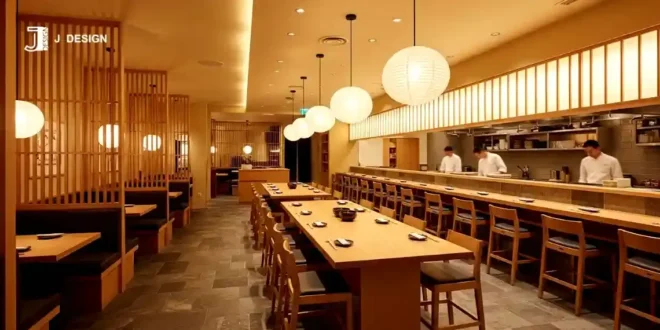
Essence of Japanese Restaurant Interior
Japanese restaurant interior captures the soul of Japan—serene, intentional, and immersive—blending minimalism with subtle warmth to make diners feel transported. It’s about evoking tranquility amid the clink of chopsticks and sizzle of teppanyaki. Japanese restaurant interior prioritizes harmony, using space to enhance flavors rather than overpower them. From sushi bars to ramen joints, the design whispers rather than shouts.
Minimalism at the Core
At the heart of Japanese restaurant interior lies stripped-back simplicity, where every element serves a purpose without excess clutter. Bare walls punctuated by a single scroll painting or ikebana arrangement set a calm tone. Embrace negative space—it lets food and conversation shine. This Zen approach reduces visual noise, helping guests relax into the meal.
Natural Materials Shine
Wood reigns in Japanese restaurant interior, with light hinoki cypress or oak panels warming the space authentically. Bamboo screens divide areas softly, while stone accents like river rocks ground tabletops. Sustainable choices such as reclaimed timber align with eco-aware diners. These textures invite touch, echoing nature’s quiet beauty.
Color Palette Choices
Japanese restaurant interior favors muted neutrals—ivory walls, charcoal accents, and deep green plants—for a soothing backdrop. Subtle reds in lanterns nod to torii gates without overwhelming. Matte finishes on ceramics and walls absorb light gently. This restrained palette amplifies the food’s vivid colors.
Lighting for Ambiance
Soft, layered lighting defines Japanese restaurant interior, with paper lanterns casting warm glows and recessed spots highlighting sushi counters. Dimmable pendants over tables create intimate pools of light. Avoid fluorescents; opt for warm LEDs mimicking candle flicker. This plays with shadows, adding mystery and depth.
Seating and Layout Flow
Low seating defines Japanese restaurant interior, from tatami mat booths to cushioned zabuton pillows around kotatsu tables for that communal feel. Communal benches encourage sharing, while private nomiya nooks offer seclusion. Flexible layouts adapt for omakase counters or kaiseki courses. Flow guides guests intuitively from entrance to table.
Walls and Divider Ideas
Sliding shoji screens transform Japanese restaurant interior, partitioning without isolating. Noren curtains at doorways welcome with flapping fabric sounds. Exposed brick softened by washi paper adds urban edge. These elements control sightlines, fostering privacy in bustle.
Flooring Fundamentals
Tatami mats or wide-plank hinoki floors anchor Japanese restaurant interior, providing soft underfoot comfort. Seagrass rugs zone areas subtly. Polished concrete suits modern izakayas, paired with heated underlays for winter. Durability meets authenticity here.
Decorative Touches
Subtle decor elevates Japanese restaurant interior—a lone bonsai, seasonal ikebana, or hanging furoshiki wraps. Calligraphy menus on wooden stands add artistry. Noriben lunchbox displays showcase packaging heritage. Keep it sparse; quality over quantity.
Bar and Counter Designs
Sushi bars in Japanese restaurant interior feature live-edge wood counters with stools at perfect elbow height for chefs’ theater. Integrated sinks and herb gardens behind add freshness. Backlit shelves glow with sake bottles. This setup turns prep into performance.
Private Dining Spaces
Hidden rooms enhance Japanese restaurant interior with sliding fusuma doors revealing tatami-floored ozen spaces. Low tables and leg wells accommodate groups comfortably. Acoustic panels disguised as screens muffle noise. Ideal for kaiseki or business deals.
Outdoor Extensions
Garden courtyards extend Japanese restaurant interior vibes, with gravel zen gardens, lantern-lit paths, and engawa verandas. Bamboo fencing screens urban views. Rain chains channel water musically. These blur boundaries, inviting al fresco sushi.
Modern Twists
Contemporary Japanese restaurant fuses tradition with edge—neon kanji signs in ramen spots or concrete washi hybrids. Recycled materials nod to mottainai waste philosophy. Tech like touchless menus blends seamlessly. Tradition evolves without losing soul.
Budget-Friendly Hacks
Achieve Japanese restaurant on a dime with IKEA bamboo screens, thrifted lanterns, and peel-and-stick shoji paper. Source affordable hinoki from suppliers. DIY noren from fabric scraps. Authenticity doesn’t require breaking the bank.
Cultural Authenticity Tips
Respect roots in Japanese restaurant interior—avoid cherry blossom overload; focus on omotenashi hospitality through design. Consult cultural experts for accuracy. Seasonal changes like autumn momiji leaves keep it fresh. Diners sense the genuine touch.
Maintenance Realities
Durable finishes suit busy Japanese restaurant interior—sealed woods resist spills, antimicrobial fabrics ease cleaning. Modular screens allow quick reconfigs. LED longevity cuts costs. Plan for wear that patinas beautifully, like aged cedar.
Sustainability Focus
japanese restaurant Eco-principles drive modern Japanese restaurant interior, using FSC woods, low-VOC paints, and energy-efficient Muuto lighting. Bamboo’s renewability shines. Zero-waste displays inspire guests. Green design tastes better.
Common Pitfalls
Steer clear of overkill in Japanese restaurant interior—too many lanterns clutter Zen calm. Mismatched woods jar harmony. Harsh lighting kills mood. Test with evening mockups.
Bringing It Home
Whether launching a spot or dreaming big, Japanese restaurant interior transforms meals into memories through thoughtful minimalism. Start with wood and light, layer culture sparingly. Your space will hum with authentic energy.
Conclusion
Japanese restaurant interior masterfully balances restraint and invitation, creating spaces where every detail enhances the dining ritual. From warm woods to glowing lanterns, it invites immersion in Japan’s timeless aesthetic. Embrace Japanese restaurant to craft venues that linger in guests’ hearts and return trips.