 Gothic Home Decor
What Is Repetition in Interior Design?
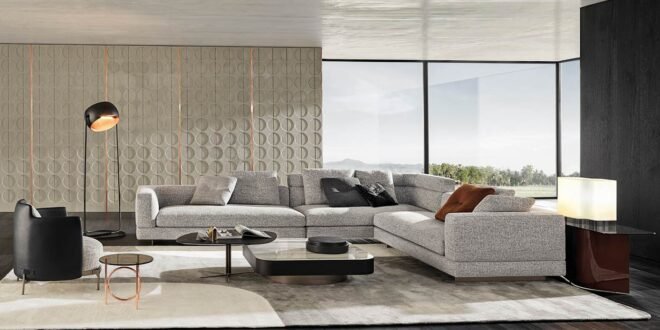
Repetition in interior design is the deliberate use of the same element—be it color, shape, texture, or motif—to create visual rhythm and unity across a space. It’s like a melody in music, guiding the eye smoothly from one area to another without chaos. Repetition in interior design builds cohesion, making rooms feel intentional and polished, whether in a cozy living room or a sprawling open-plan home. Far from boring, when done right, it adds depth and personality.
Why Repetition Matters
Without repetition in interior design, spaces can feel disjointed, like a puzzle with mismatched pieces. It establishes flow, reinforces themes, and makes even small homes feel larger by tying elements together. Designers rely on it to evoke emotions—think calming repeats in a bedroom or energizing patterns in a dining area. Ultimately, repetition in interior design turns a house into a harmonious home.
Principles Behind Repetition
At its heart, repetition in interior design follows rhythm principles from art and architecture, where repeating motifs create movement. Alternate with contrast for interest, like echoing a vase shape in pillows and frames. Scale matters too—repeat small details for subtlety or bold ones for drama. Balance prevents overload, ensuring the eye rests comfortably.
Repetition Through Color
Color is the easiest entry to repetition in interior design. Pick a palette of three to five hues and echo them everywhere—from walls to rugs to accents. Soft blues repeating in a coastal scheme might appear in artwork, cushions, and ceramics, creating serene unity. Vary shades for depth: deep navy walls with lighter sky tones in fabrics. This technique grounds eclectic mixes.
Shape and Form Repetition
Shapes provide structure in repetition in interior design. Round mirrors echoed by circular tables and arched lamps soften a room’s edges. Geometric fans might repeat hexagons in tiles, coasters, and lighting. Organic curves in organic modern spaces link sculptural chairs to wavy wall art. Consistency in form makes furniture feel bespoke.
Texture for Tactile Rhythm
Texture adds dimension through repetition in interior design, layering linen, velvet, and wood grains across upholstery, throws, and walls. A boucle sofa repeated in armchairs creates cozy nooks. Mix sheens—matte pottery with glossy vases—for subtle variety. This sensory repetition invites touch and warmth.
Pattern Play with Motifs
Patterns thrive on repetition in interior design, scaling florals from large rugs to small pillows for hierarchy. Stripes marching across curtains, runner rugs, and chair backs elongate spaces. Ikat or botanical repeats unify boho vibes without overwhelming. Layer sparingly to avoid visual noise.
Furniture Repetition Ideas
Repeat furniture styles for instant harmony in repetition in interior design. Identical slipper chairs flank a fireplace, or matching nightstands bookend a bed. Mix pairs with singles, like two West Elm sofas facing a lone armchair. This symmetry calms while variety excites.
Lighting Layered with Repeats
Layered lighting uses repetition in interior design to set moods. Pendant clusters echoing table lamps unify kitchens. Warm bulbs repeated in sconces and floors create glow paths. Dimmers enhance the rhythm, transitioning day to night seamlessly.
Accessories and Decor Repeats
Small items amplify repetition in interior design—stack identical trays on coffee tables or line matching vases along shelves. Bookshelves with color-coordinated spines add subtle order. Gallery walls repeating frame styles showcase art cohesively. These touches personalize without clutter.
Flooring and Wall Repetition
Floors set the stage for repetition deisgns with herringbone patterns echoing in headboards or artwork. Wall paneling repeated in cabinetry blurs boundaries. Wide-plank woods linking rooms create seamless flow.
Repetition in Small Spaces
In tiny apartments, repetition in interior design maximizes illusion of space. Mirror multiples bounce light; uniform shelving units multiply storage visually. Consistent color schemes make walls recede. It’s a clever hack for urban living.
Open-Plan Repetition Strategies
Open layouts demand strong repetition in interior design to zone without walls. Rugs repeating motifs define living from dining areas. Shared textiles like sheer curtains unify sightlines. This keeps vast spaces intimate.
Avoiding Monotony
The pitfall of repetition in interior design is boredom—counter it with scale shifts, like tiny motifs next to bold ones, or material twists on a theme. Introduce subtle contrasts: matte repeats with one glossy outlier. Test by stepping back; if it sings, it’s right.
Cultural Twists on Repetition
Global styles embrace repetition in interior design uniquely—Moroccan tiles repeat geometrics vibrantly, while Scandinavian repeats neutrals calmly. Indian block prints layer paisleys richly. Adapt to your heritage for authentic flair.
Seasonal Repetition Updates
Refresh repetition in interior design seasonally by swapping textiles while keeping core motifs. Summer linens replace winter wools on repeating chairs. Core elements like Farrow & Ball paints endure year-round.
Repetition for Beginners
Start small with repetition in interior design: pick one element, like a favorite vase, and echo its color or shape thrice. Shop thrift for affordable doubles. Photograph progress to see rhythm build.
Conclusion
Repetition in interior design is the quiet powerhouse behind memorable spaces, weaving rhythm, unity, and personality into every corner. Master it through thoughtful color, shape, and texture echoes, and watch your home transform into a symphony of style. Dive into repetition in interior design today—your cohesive haven is just repeats away.