 Gothic Home Decor
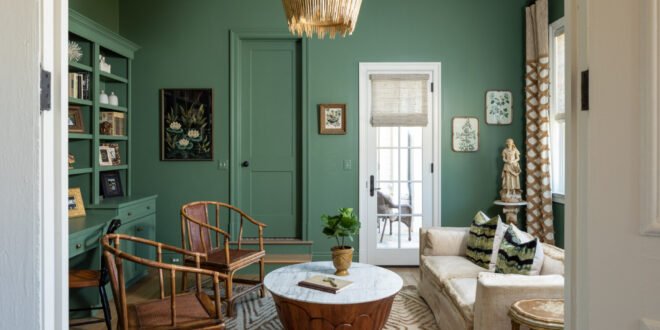
There is a shift happening in our homes. For years, we were told that “safe” meant white baseboards, gray walls, and bright white ceilings. But lately, homeowners are craving something more soulful and intentional. Enter the color drenched room. This design technique is less of a fleeting trend and more of a decorative philosophy. It asks you to stop seeing a room as a collection of separate surfaces and start seeing it as a single, immersive envelope of color.
Breaking the Traditional Rules
A color drenched room is defined by the application of a single hue across every available surface in a space. We aren’t just talking about the four walls. To truly achieve this look, you have to take that paint bucket to the baseboards, the window frames, the doors, and the crown molding. It sounds intimidating at first, but by removing the stark white “outlines” that usually frame a room, you allow the architecture to melt away, creating a seamless and sophisticated look.
The Magic of the Fifth Wall
The most transformative part of creating a color drenched room is painting the ceiling. In traditional design, a white ceiling acts like a lid, often making a room feel shorter than it actually is. When you “drench” the ceiling in the same shade as the walls, the human eye loses the ability to perceive where the wall ends and the ceiling begins. This creates an infinite, airy feeling that can actually make a small room feel significantly larger and more cohesive.
Choosing Your Signature Hue
The success of a color drenched room hinges entirely on the color you select. This isn’t just a background choice; it is the “vibe” of your daily life. Deep, moody tones like forest green or navy are incredible for home offices or libraries because they encourage focus and stillness. On the other hand, soft terracottas or warm ochres can make a living room feel like a permanent sunset. You aren’t just picking a color; you’re picking an emotion.
Playing with Different Sheens
One of the biggest misconceptions about a color drenched room is that it has to look flat. Professionals avoid this by varying the paint finishes. Use a matte or flat finish on the walls and ceiling to absorb light and hide imperfections. Then, use a satin or semi-gloss version of the exact same color on the trim and doors. This subtle shift in texture allows light to dance off the architectural details, providing depth and “rhythm” to the room without breaking the monochromatic spell.
How Light Changes Everything
Before you commit to a color drenched room, you have to study your light. Natural sunlight is the most volatile variable in interior design. A beautiful sage green might look earthy and organic in a south-facing room but could turn into a cold, muddy gray in a basement. It is vital to paint large swatches on different walls and watch how they change from the bright morning sun to the warm glow of evening lamps.
Expanding Small Spaces
It might seem counterintuitive, but the color drenched room technique is a secret weapon for tiny spaces. Powder rooms, entryways, and small bedrooms often feel “cluttered” because of the visual breaks between white trim and colored walls. By drenching the entire space in one tone, you simplify the visual field. This creates a “jewel box” effect that feels intentional and luxurious rather than cramped and small.
The Role of Furniture and Contrast
In a color drenched room, your furniture becomes the focal point. You have two choices: harmony or contrast. Choosing a sofa in a similar shade to your walls creates a “ghostly,” minimalist aesthetic that feels very high-end. Alternatively, placing a cream-colored linen chair against a deep plum wall creates a dramatic “pop” that draws the eye immediately. The monochromatic backdrop acts as a stage for your favorite pieces to shine.
Adding Texture and Textiles
Because you aren’t using multiple colors to create interest, you must rely on texture to keep the room from feeling one-dimensional. In a color drenched room, layering is your best friend. Think about a velvet sofa, a chunky wool rug, and silk curtains—all in varying shades and tones of your primary color. These different materials reflect light in unique ways, ensuring that the space feels rich, tactile, and lived-in.
Drenching the Kitchen and Cabinets
This trend isn’t just for bedrooms and lounges. A color drenched room approach in a kitchen can be absolutely stunning. By painting the cabinetry, the walls, and the shelving the same color, you hide the “visual noise” of cabinet lines. This makes the kitchen feel less like a utility room and more like a tailored part of the living space. It is a bold move that pays off in sheer sophistication.
Working with Existing Architecture
If your home has beautiful original features like wainscoting or built-in bookshelves, a color drenched room is the best way to highlight them. Instead of making them “pop” with white paint, drenching them allows the shadows and carvings to speak for themselves. The architectural details become a subtle play of light and shadow rather than a jarring contrast, giving the room a historic yet modern feel.
The Importance of Layered Lighting
Since you no longer have white walls to bounce light around, your lighting plan becomes crucial. A color drenched room requires layers. You can’t rely on a single overhead light. You need floor lamps, wall sconces, and task lighting to create “pools” of warmth. This prevents a dark-colored room from feeling like a cave and instead turns it into a cozy, atmospheric sanctuary.
Art as the Final Touch
Art looks incredible when placed in a color drenched room. Whether you prefer gold-framed classics or modern abstracts, the saturated background acts as a gallery-style mount. The wall color pushes the art forward, making the colors in the painting more vibrant. It’s a trick used by high-end museums to make exhibits feel more important and immersive, and it works just as well in a hallway or dining room.
Making the Transition
You don’t have to drench your entire house for the look to be effective. In fact, a color drenched room often works best when it acts as a “surprise” transition. Walking from a light, neutral hallway into a deep, saturated den creates a sense of arrival. It signals that this specific room has a different purpose—perhaps for resting, reading, or late-night conversation.
Practical Maintenance Tips
From a practical standpoint, a color drenched room is actually quite easy to maintain. Because the walls and trim are the same color, you don’t have to be quite as surgical when doing touch-ups. However, keep in mind that darker colors show dust and scuffs more easily than white. Choosing a high-quality, washable paint for your baseboards will ensure that your bold design stays looking fresh for years to order.
Why This Trend is Here to Stay
The reason the color drenched room has become so popular is that it feels personal. We are moving away from the era of “resale-value beige” and moving toward homes that actually reflect the people living in them. Drenching a room is a confident statement. It says that you aren’t afraid of color and that you value the “feeling” of a space over traditional design rules. It is an act of creative bravery that transforms a house into a home.
Conclusion
Creating a color drenched room is one of the most rewarding DIY or professional projects you can take on. It completely shifts the energy of a home, turning ordinary four-walled boxes into extraordinary experiences. By embracing the ceiling, the trim, and the walls in one cohesive hue, you create a sanctuary that is both timeless and modern. Whether you go for a soft, calming neutral or a fierce, moody jewel tone, the results are always the same: a space that feels expensive, intentional, and uniquely yours.