 Gothic Home Decor
Learning how to organize closet spaces properly can completely change how you start your day. A cluttered closet often leads to wasted time, frustration, and forgotten items buried in the back. On the other hand, an organized closet makes it easy to find what you need, keep your clothes in good condition, and enjoy a calm, tidy home environment. The good news is that you don’t need a large walk-in closet or expensive systems to get great results. With a clear plan and a few smart strategies, anyone can master how to organize closet spaces efficiently.
This guide will walk you through practical, easy-to-follow steps that work for closets of all sizes, helping you create a system you can maintain long-term.
Why Learning How to Organize Closet Matters
Understanding how to organize closet areas goes beyond aesthetics. An organized closet saves time, reduces stress, and helps you make better use of the clothes and accessories you already own. When everything has a designated place, you avoid overbuying, misplacing items, or damaging clothing.
Key benefits of an organized closet include:
- Faster and easier outfit selection
- Better visibility of all your clothing
- Less clutter and mental stress
- Improved care and longevity of clothes
- More functional use of limited space
Once you see the benefits, organizing your closet feels less like a chore and more like an investment in your daily routine.
Start Fresh by Decluttering Your Closet
The first step in how to organize closet spaces effectively is decluttering. Trying to organize items you no longer use only creates more frustration. Begin by removing everything from your closet so you can clearly see what you own.
Decluttering tips to follow:
- Sort items into keep, donate, and discard piles
- Let go of clothes you haven’t worn in a year
- Remove damaged or outdated items
- Be honest about what fits your lifestyle now
This step may take time, but it’s essential. A decluttered closet instantly feels more manageable and sets the foundation for proper organization.
Categorize Items for a Functional Layout
Once you’ve decluttered, the next step in how to organize closet areas is categorization. Grouping similar items together makes your closet easier to navigate and maintain. Instead of scattering clothes randomly, organize them in a way that makes sense for your daily habits.
Common categories include:
- Tops, bottoms, dresses, and outerwear
- Workwear and casual wear
- Shoes, bags, and accessories
- Seasonal and special-occasion items
Categorizing allows you to quickly see what you have and helps prevent clutter from building up again.
Smart Storage Solutions to Maximize Space
Effective storage is at the heart of learning how to organize closet spaces, especially in small bedrooms. The goal is to use every inch wisely without overcrowding. Vertical space is often underused, and adding the right storage tools can make a huge difference.
Practical storage ideas include:
- Slim, matching hangers to save space
- Shelf dividers to keep stacks neat
- Storage bins for accessories and folded items
- Hanging organizers for shoes or scarves
Using the right storage solutions helps create a clean and structured look while keeping everything accessible.
How to Organize Closet Shelves and Hanging Space
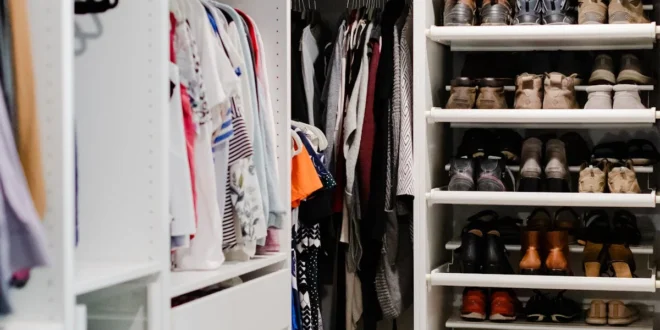
Balancing shelves and hanging space is crucial when figuring out how to organize closet interiors. Hanging areas work best for items that wrinkle easily, while shelves are ideal for folded clothing and accessories.
Helpful organization tips:
- Hang frequently worn items at eye level
- Fold sweaters to prevent stretching
- Store shoes on shelves or racks
- Keep everyday items within easy reach
Organizing based on how often you use items makes your closet more efficient and enjoyable to use.
Seasonal Rotation for Better Closet Organization
One of the most overlooked steps in how to organize closet systems is seasonal rotation. Keeping all your clothes in one space year round can lead to overcrowding. Rotating items based on the season keeps your closet functional and clutter-free.
Seasonal rotation tips:
- Store off season clothes in labeled bins
- Use vacuum sealed bags to save space
- Keep seasonal shoes and accessories together
- Refresh your closet every few months
This simple habit keeps your closet feeling spacious and relevant throughout the year.
Easy Habits to Maintain an Organized Closet
Learning how to organize closet spaces is only half the work. Maintaining that organization requires small, consistent habits. Without maintenance, clutter can quickly return.
Simple habits to follow:
- Return items to their designated spot daily
- Do a quick weekly tidy-up
- Avoid overstuffing shelves and rods
- Reassess your closet every few months
These habits ensure your closet stays organized without requiring major cleanups.
Final Thoughts on How to Organize Closet Spaces
Mastering how to organize closet areas doesn’t have to be complicated or overwhelming. By decluttering, categorizing, using smart storage solutions, and maintaining simple habits, you can create a closet that truly works for you. An organized closet not only saves time but also brings a sense of calm and control to your daily life. Whether you’re working with a small reach in a closet or a larger space, the same principles apply. Start small, stay consistent, and enjoy the benefits of a clutter free closet.